
Managing Compressor Heat & High-Ambient Factory Environments: A Thermal Engineering Guide
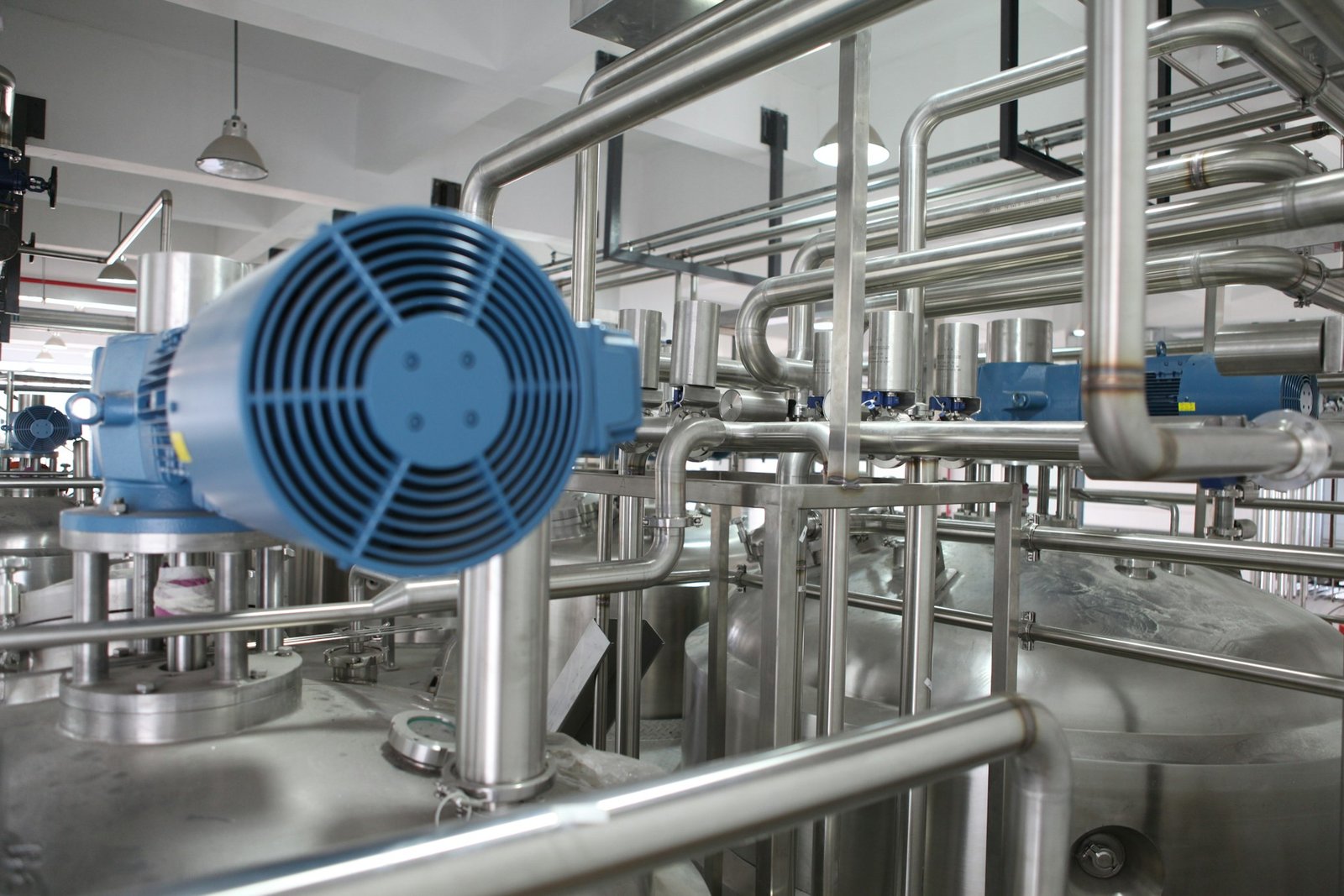
Learn how oversized dual-core radiators, high-flashpoint synthetic lubricants, and proper mechanical compressor room ventilation prevent high-temperature tripping at 45°C+ ambients.
Industrial air compressors are often treated simply as air generators. In thermodynamics, however, an air compressor is fundamentally an industrial heat generator that happens to produce compressed air as a byproduct.
Approximately 88% to 92% of the electrical energy consumed by a compressor motor is converted directly into heat. In a 75 kW compressor, over 65 kW of thermal energy is dissipated every continuous hour of operation.
When summer ambient temperatures inside a poorly ventilated factory compressor room soar to 42°C–48°C, standard commercial compressors reach their thermal cutoff limit (105°C–110°C discharge temperature) and shut down without warning, causing immediate plant-wide downtime.
The Root Causes of Summer Thermal Trip-Outs
Why do standard catalogue compressors struggle in high-ambient climates?
- Undersized Heat Exchangers: Many budget machines utilize aluminum coolers sized strictly for standard test conditions (20°C ambient). When ambient air reaches 40°C+, the temperature differential across the radiator collapses, preventing effective oil heat rejection.
- Lubricant Viscosity Breakdown & Varnish: Mineral oils operating above 90°C oxidize at an accelerated rate. For every 10°C rise in temperature above 80°C, oil life is cut in half. Oxidized oil leaves sticky polymeric varnish deposits inside cooler tubes, insulating the radiator and triggering thermal runaway.
- Negative Room Pressure & Recirculation: If the compressor room lacks adequate fresh air louvers, the machine exhaust fan recirculates hot discharge air straight back into the intake filter.
The AERODYNE 50°C Tropicalized Thermal Package
To guarantee uninterrupted 24/7 continuous operation in harsh industrial environments, AERODYNE compressors feature specialized high-ambient engineering:
- 35% Oversized Bar-and-Plate Radiators: Dual-pass independent aluminum matrixes for oil and compressed air, maintaining generous heat rejection capacity even at 48°C ambient air temperatures.
- Centrifugal Impeller Cooling Fans: Delivering high static pressure airflow through radiators, preventing backpressure resistance and ensuring optimal airflow even if external exhaust ducting is fitted.
- Fully Synthetic Polyalphaolefin (PAO) Coolants: Formulated with high flash points (240°C+) and advanced anti-oxidation additives, maintaining kinematic viscosity and preventing varnish formation for up to 8,000 operating hours.
Compressor Room Mechanical Ventilation: The Calculation Formula
A common mistake in factory layout is placing a 100 kW compressor inside an enclosed room without calculating required air exchange volume (Q).
For a 75 kW compressor rejecting approximately 68 kW of heat:
- Heat to evacuate: ~68 kW
- Density of air: 1.2 kg/m³
- Allowable temperature rise in room: 5°C
- Required airflow: approximately 24,000 CFM
If your ventilation exhaust fan does not move at least 24,000 CFM of air out of the compressor room, the ambient temperature inside the enclosure will rapidly climb into thermal trip territory!
Waste Heat Recovery: Reclaiming Plant Energy
Because over 90% of your compressor power draw turns into heat, this energy does not need to be wasted into the atmosphere. With an AERODYNE Heat Recovery Exchanger:
- Up to 70% of total electrical input can be captured via counter-flow plate heat exchangers.
- The system generates pressurized industrial hot water (55°C–75°C) without burning fossil fuels.
- Perfect for boiler feed pre-heating, metal pre-treatment washing baths, chemical batch heating, and plant sanitary use.
Summer Maintenance Checklist for Plant Engineers
Before the peak summer heat sets in, perform these four preventive checks:
- Blow Down Radiator Fins: Clean dust and fibers from cooling matrixes using reverse compressed air nozzles.
- Analyze Oil Acidity (TAN): Test Total Acid Number to ensure the lubricant has not begun thermal breakdown.
- Inspect Thermostatic Mixing Valves: Ensure internal bypass valves open fully to divert 100% of oil flow through the radiator.
- Verify Air Duct Separation: Ensure hot discharge air is ducted completely out of the building and cannot loop back into the fresh intake vents.